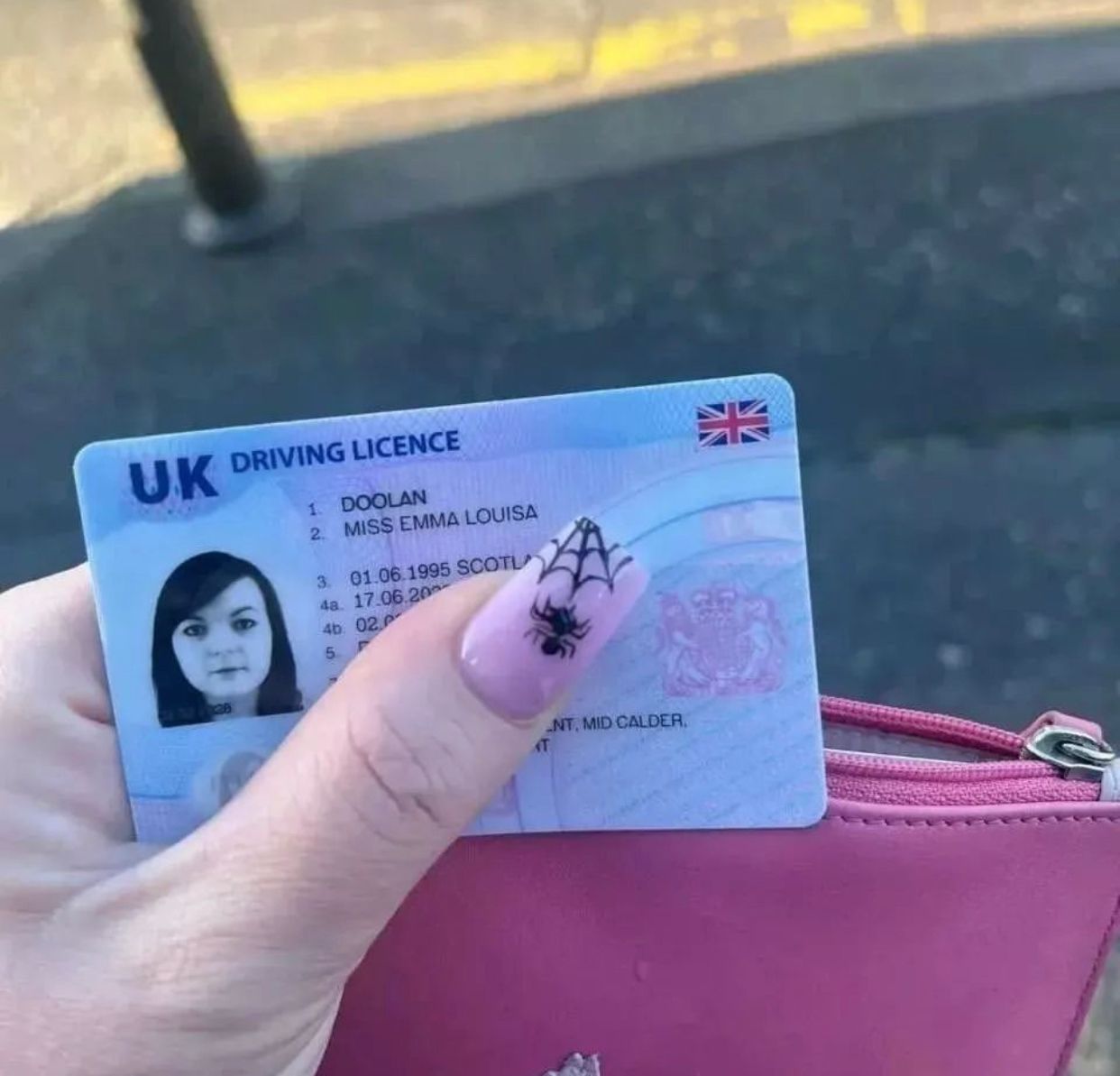
Understanding the UK Driver License: A Comprehensive Guide
Driving in the United Kingdom is an opportunity that comes with a considerable amount of duty. Obtaining a UK driver license involves numerous actions, regulations, and requirements tailored to ensure that new drivers satisfy safety and competency requirements. This blog post will take a thorough look at what it requires to get a UK driver license, the types of licenses readily available, the application procedure, and answers to often asked concerns about driving in the UK.
Types of UK Driver Licenses
Before diving into the application process, it's important to understand the various kinds of driver licenses available in the UK. The table listed below details the main classifications:
| License Category | Types of Vehicles | Age Requirement |
|---|---|---|
| A | Motorbikes | 17 years |
| B | Cars and light vans | 17 years |
| C | Large products vehicles (LGVs) | 18 years |
| D | Buses | 24 years |
| EB | Category B cars with trailers | 17 years |
| F | Agricultural cars | 16 years |
* Age requirements refer to the minimum age at which a license can be sought for respective lorry categories.
Provisional Licenses
Before acquiring a full license, one should initially obtain a provisionary license. This permits aiming drivers to practice their driving abilities under certain conditions. To get a provisional license, candidates must be at least 15 years and 9 months old.
The Application Process
Obtaining a UK driver license consists of several necessary steps. Below is a thorough list of the procedure:
Step 1: Apply for a Provisional License
Candidates can apply for a provisionary license online or through the post. The necessary files needed include evidence of identity and residency, along with a passport-sized image. ukdrivinglicense.co.uk for applying for a provisional license is around ₤ 34 when done online and ₤ 43 when applying by post.
Step 2: Prepare for the Theory Test
Once the provisional license is acquired, candidates should get ready for the theory test. The test is composed of multiple-choice questions and a risk understanding section. Familiar resources like the "Highway Code" and numerous online tools and apps are readily available to assist in preparation.
Action 3: Take the Driving Lessons
It's highly advised to take driving lessons with an authorized driving instructor. Lessons will involve useful skills and road-living methods necessary for safe driving.
Step 4: Pass the Theory Test
The theory test should be passed before a practical driving test can be taken. The test is normally taken at a designated test center and can be booked online.
Step 5: Book Practical Driving Test
Once the theory test is passed, applicants can schedule their practical driving test. It's suggested to arrange the test a minimum of 2-3 months ahead, as waiting times can differ.
Step 6: Pass the Practical Driving Test
During the practical test, candidates will be examined on their capability to drive securely and lawfully. Successful prospects will get their full driving license, while those who do not pass will receive constructive feedback for improvement.
Step 7: Receive Your Full License
After passing the practical test, candidates can either request the complete driving license or have it sent directly to them if the test was carried out through the Driver and Vehicle Standards Agency (DVSA).
Crucial Considerations
While the process of acquiring a driver license is relatively straightforward, several important factors must be kept in mind:
- Insurance: Full insurance protection is obligatory for anybody who wishes to drive.
- Roadway Traffic Regulations: Adherence to regional laws and guidelines is critical to ensure road safety.
- Penalties: Keeping within the speed limits and preventing driving under the impact of alcohol or drugs is crucial, as penalties can lead to fines or the loss of a license.
Regularly Asked Questions (FAQs)
1. What do I need to give my driving test?
Prospects must bring their valid provisionary license, a UK passport (or another kind of recognition), and any confirmation e-mails or documents associated with their booked test.
2. For how long does it require to get my driver license after passing the test?
After passing the dry run, a driver can expect to get the complete license within 2 to 3 weeks. It can be sent directly to the address supplied in the application.
3. Can I drive with a provisionary license?
Yes, however it is compulsory to be accompanied by a certified driver (who needs to be over 21 and have held a full license for a minimum of 3 years) when driving with a provisional license.
4. Are there any exemptions for driving tests for certain candidates?
Yes, candidates who have actually held a license from another country might be able to exchange it for a UK license without retaking the driving test, depending upon the nation's regulations.
5. How much does it cost to obtain a driver license in the UK?
The expense can differ but usually includes the following charges:
- Provisional License: ₤ 34 (online) or ₤ 43 (by post)
- Theory Test: Around ₤ 23
- Dry Run: Approximately ₤ 62 (or ₤ 75 for evenings/weekends)
- Driving lessons: Varies by trainer, generally between ₤ 25-₤ 60 per hour.
Earning a UK driver license is a substantial turning point in any individual's life. It opens new chances for self-reliance and movement. Nevertheless, it is necessary to approach the procedure with severity and obligation. By understanding the types of licenses offered, preparing properly for tests, and abiding by traffic laws, striving drivers can not just pass their tests effectively but also add to a more secure driving environment in the UK. Whether you're a learner, a new driver, or just wanting to brush up on your understanding, this thorough guide serves as an important resource for navigating the journey toward obtaining a UK driver license.